

Flat clearances look small from the street and then eat time once the crew gets inside. The main reason is not volume. It is access. Stairs, long corridors, service-lift rules, basement storage, and awkward parking turn a modest load into a slower and more expensive job than many customers expect.
In Battersea, the challenge is often building layout. In Fulham, it is frequently parking and carry distance. In Clapham, the job can swing either way depending on whether the flat is a straightforward conversion or buried behind multiple doors and upper floors. That is why the same volume of waste can price differently across Battersea house clearance, Fulham house clearance, and Clapham house clearance.
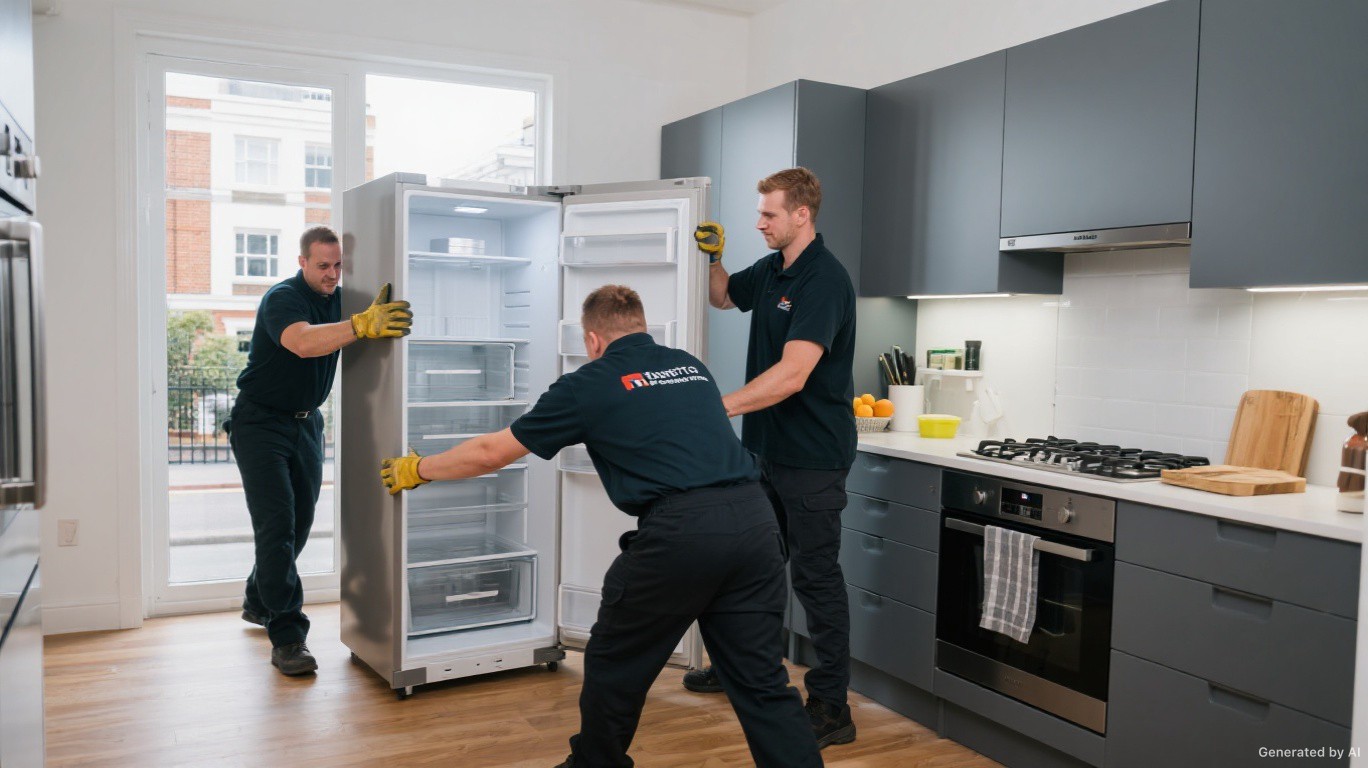
The three details that matter most are floor level, lift availability, and whether white goods or dismantling are involved. Mattresses, wardrobes, and fridge-freezers are where flat clearances slow down. If those are included, the crew needs a more realistic load time and a proper access plan.
If your property is in SW11, SW6, or SW4, the easiest way to keep the quote honest is to send one photo from the room, one from the access route, and one from outside the building. That tells us more than a vague "small flat clearance" ever will.
Flat jobs are cheapest when the route is clear and the crew knows exactly what has to go. If the building has concierge rules or restricted loading, mention it early. That is the difference between a smooth one-visit clearance and a booking that gets slowed down by avoidable access issues.