
Most bereavement clearances are not hard because of the waste. They are hard because the property still feels active to the family. That is why the best approach is usually not a single rushed clearance, but a phased one. Sort the personal items first, remove obvious waste second, and only then book the full uplift once everyone is comfortable with what is leaving.
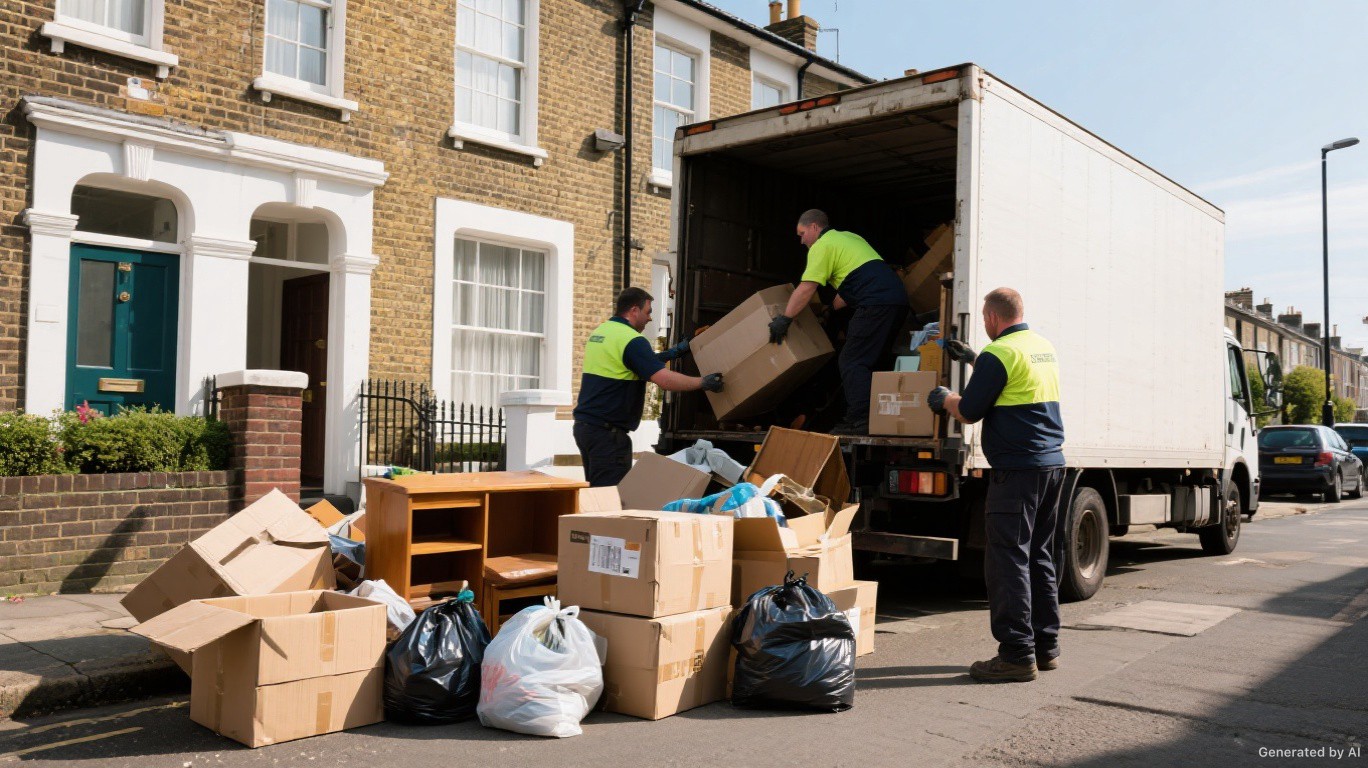
The most useful rule is simple: if an item makes anyone hesitate, it does not go in the first load. Crews can clear broken furniture, packaging, damaged white goods, and general rubbish while family members keep working through paperwork, photographs, and sentimental rooms. That makes the day less pressured and usually cheaper than cancelling or reworking a full booking halfway through.
Discretion matters too. Families often want the crew in and out quickly, without neighbours clocking every item leaving the house. That is easy to plan if we know access, parking, and whether the property is a flat, terrace, or larger family home. We run this kind of quiet staged work regularly on jobs linked to house clearance in Kensington, house clearance in Fulham, and house clearance in Clapham.
If the property is in a dense postcode like W8, SW6, or SW4, planning the route matters almost as much as the load itself. Service lifts, porters, basement steps, and short loading windows can all slow the work down if they are only mentioned on arrival.
Families usually feel better when the first booking is framed as a practical start, not the whole job. Clear what is clearly ready to go, then review the rest. That keeps control with the family and makes the later full clearance much easier to quote and complete.