

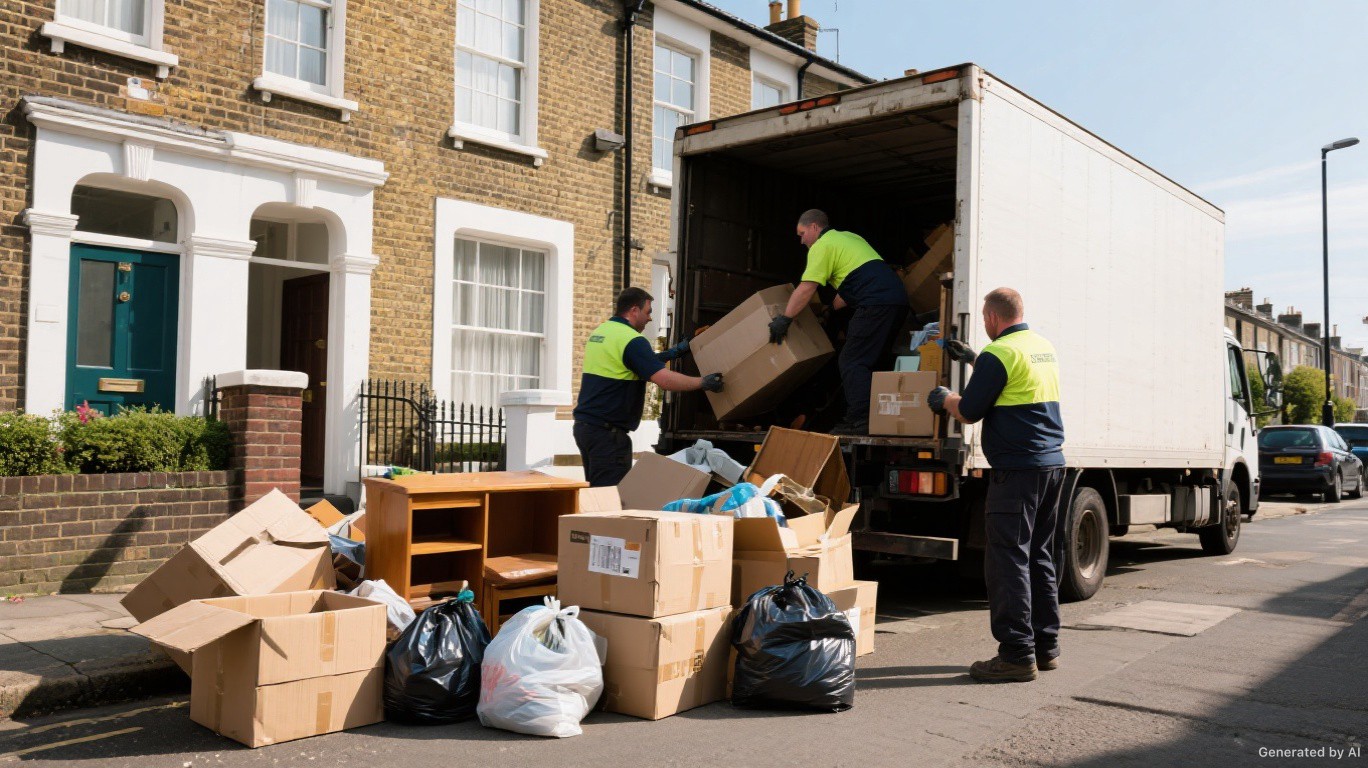
Probate house clearance is rarely just a clearance job. It usually sits between valuation, family decisions, solicitor admin, and practical access to the property. The easiest way to keep it under control is to split the job into two stages: sorting first, removal second. That keeps documents, jewellery, and sentimental items out of the waste stream and lowers the stress on the day.
Before any uplift starts, gather paperwork into one safe pile: wills, grant documents, utility bills, life-policy letters, bank correspondence, pension paperwork, and anything that proves ownership or identity. Then separate the property into four groups: keep, donate, sell, remove. That one step saves hours and prevents the crew standing idle while the family decides what stays.
Executors often ask whether they need to wait until everything is legally complete before booking. In practice, what matters is authority to access the property and clarity on what can leave. Many families use us for a staged approach: one visit for obvious waste and broken furniture, then a second for the final full uplift after valuation is complete. That works especially well on larger jobs such as house clearance in Wimbledon, house clearance in Fulham, and tighter urban properties like Croydon Town Centre house clearance.
The quote itself is built like any other house clearance: volume, access, stairs, parking, and handling time. Probate jobs are different mainly because they are slower and more selective. The best approach is to send photos only after the family has done a first pass through the rooms. That gives a cleaner, more accurate price and avoids paying for a crew to stand around while sorting continues.
If the house is in SW19, SW6, or CR0, we can usually tell you quickly whether it is better handled in one visit or two. The main thing is not to rush the first step. A good probate clearance is organised before it is lifted.